You are not a consumer
Capitalism sells everything but the product.


I saw an ad today for Carlsberg beer, it's slogan was:
Do the best things begin with curiosity? Probably.
I don't drink alcohol, but nonetheless this ad irked me more than I expected it to. I thought… okay but this tells me nothing about the beer itself. Why do ads always have slogans or marketing strategies that have nothing to do with the utility of the product? Sure, it was clever marketing. But if we are consumers then why not sell us on the very thing we are meant to consume rather than an abstract state? You cannot “consume” curiosity. And then I noticed that I've seen it everywhere.
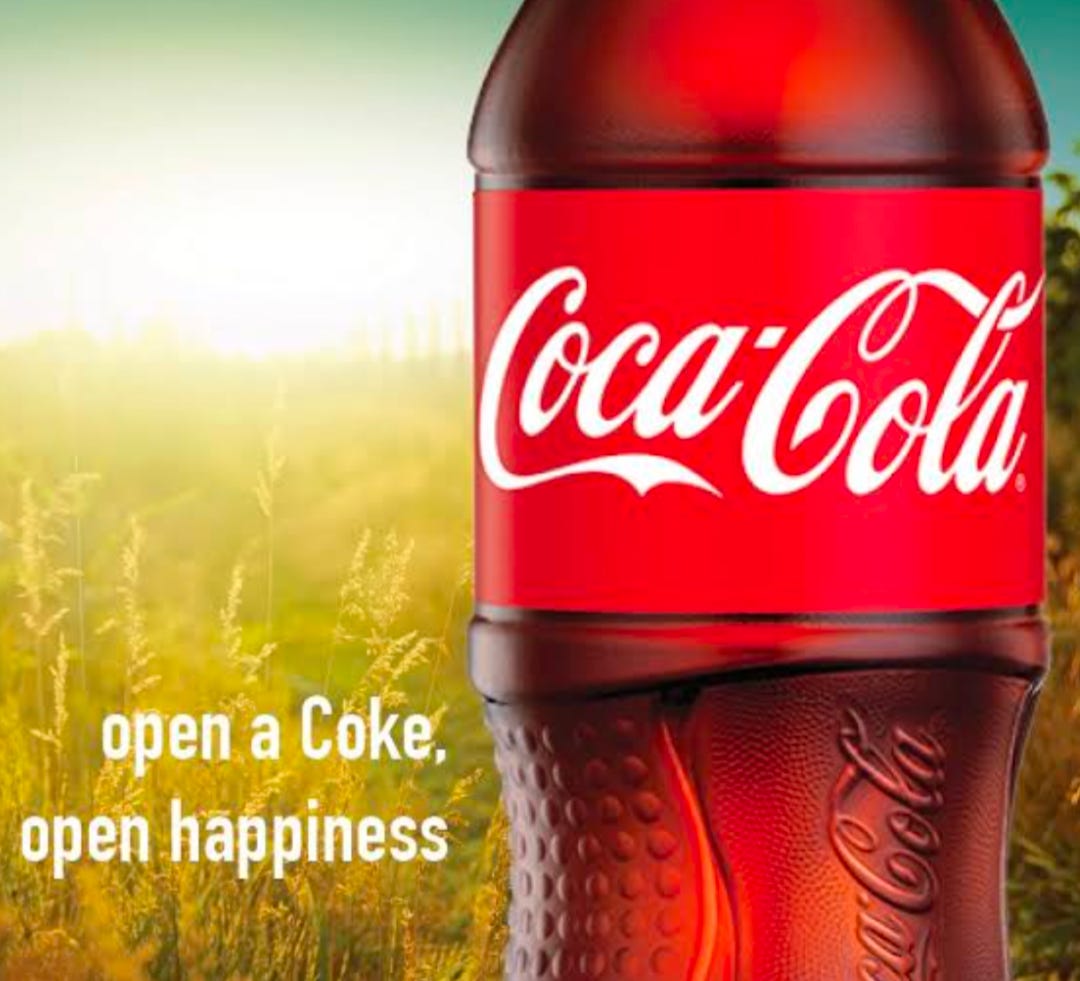
Coca Cola selling happiness:
Nike selling doing it. (Whatever it is?)
Apple selling thinking differently:
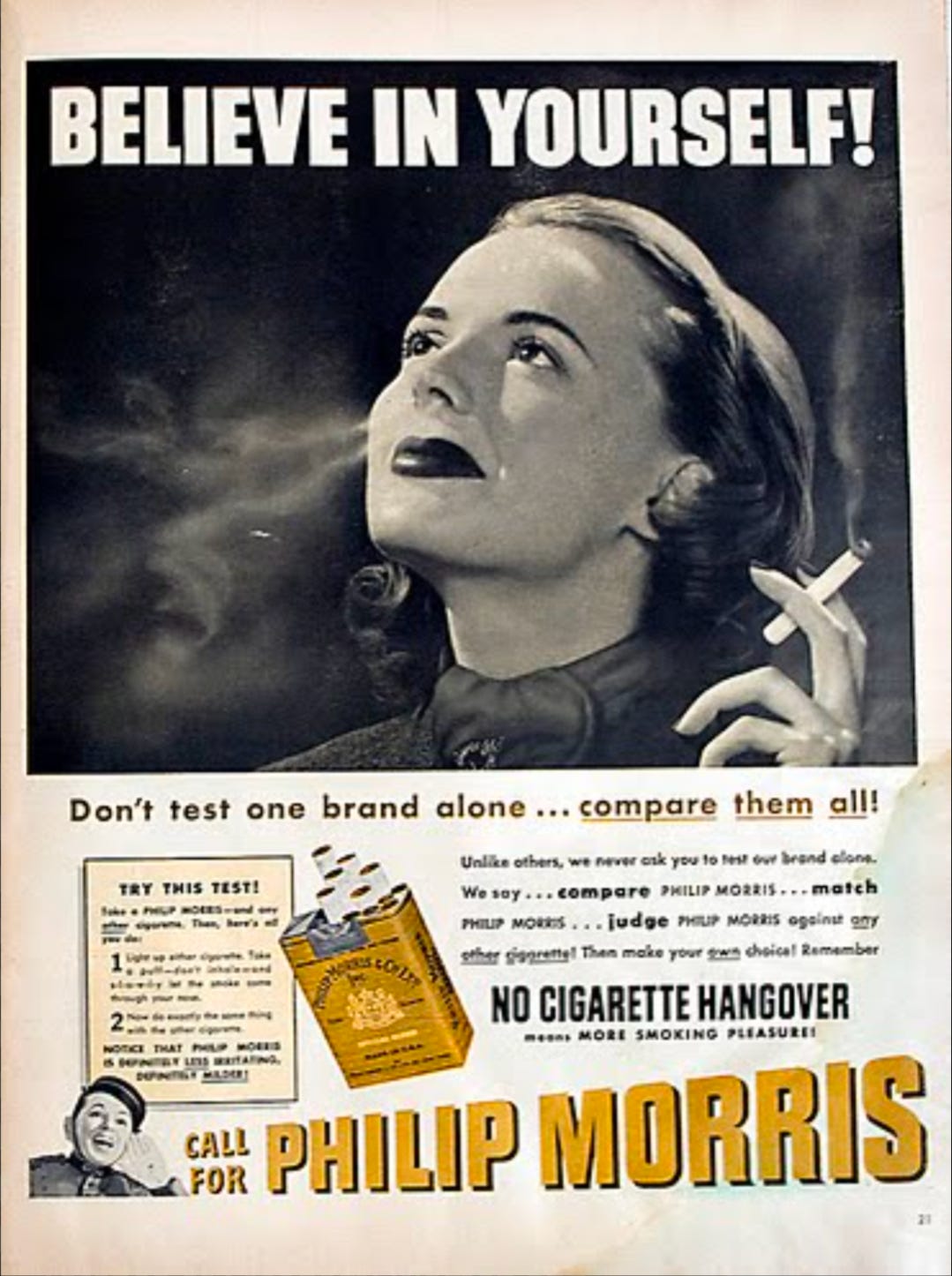
And even old ads like cigarettes selling supposed empowerment:
To add onto that, even sales don't advertise the actual utility of the product for consumption. A well known one in Aotearoa New Zealand that advertises based on sales more than their actual products is Briscoes:
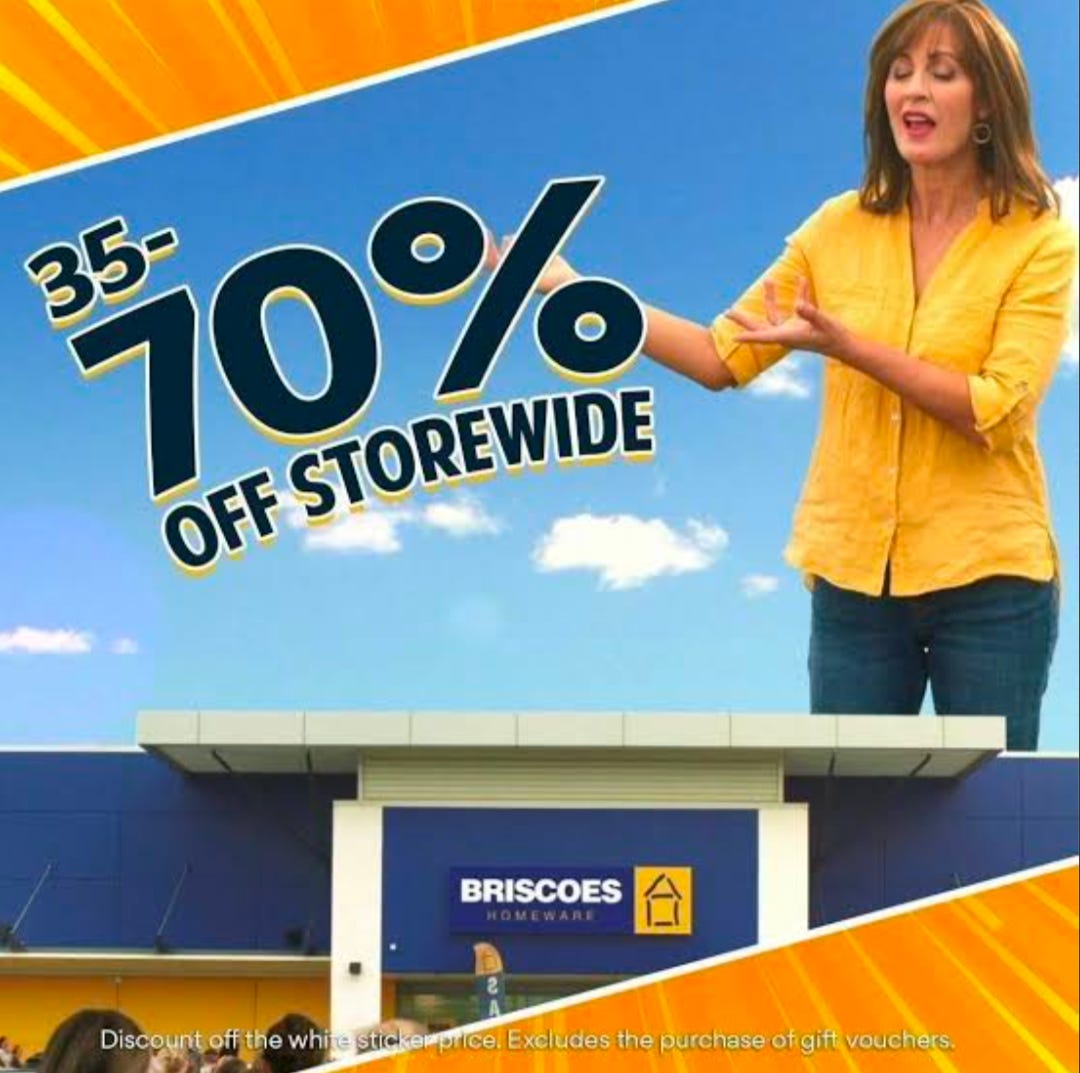
They even did an April Fools joke saying they will never have sales again, showing their self awareness of selling based on sales and not products.
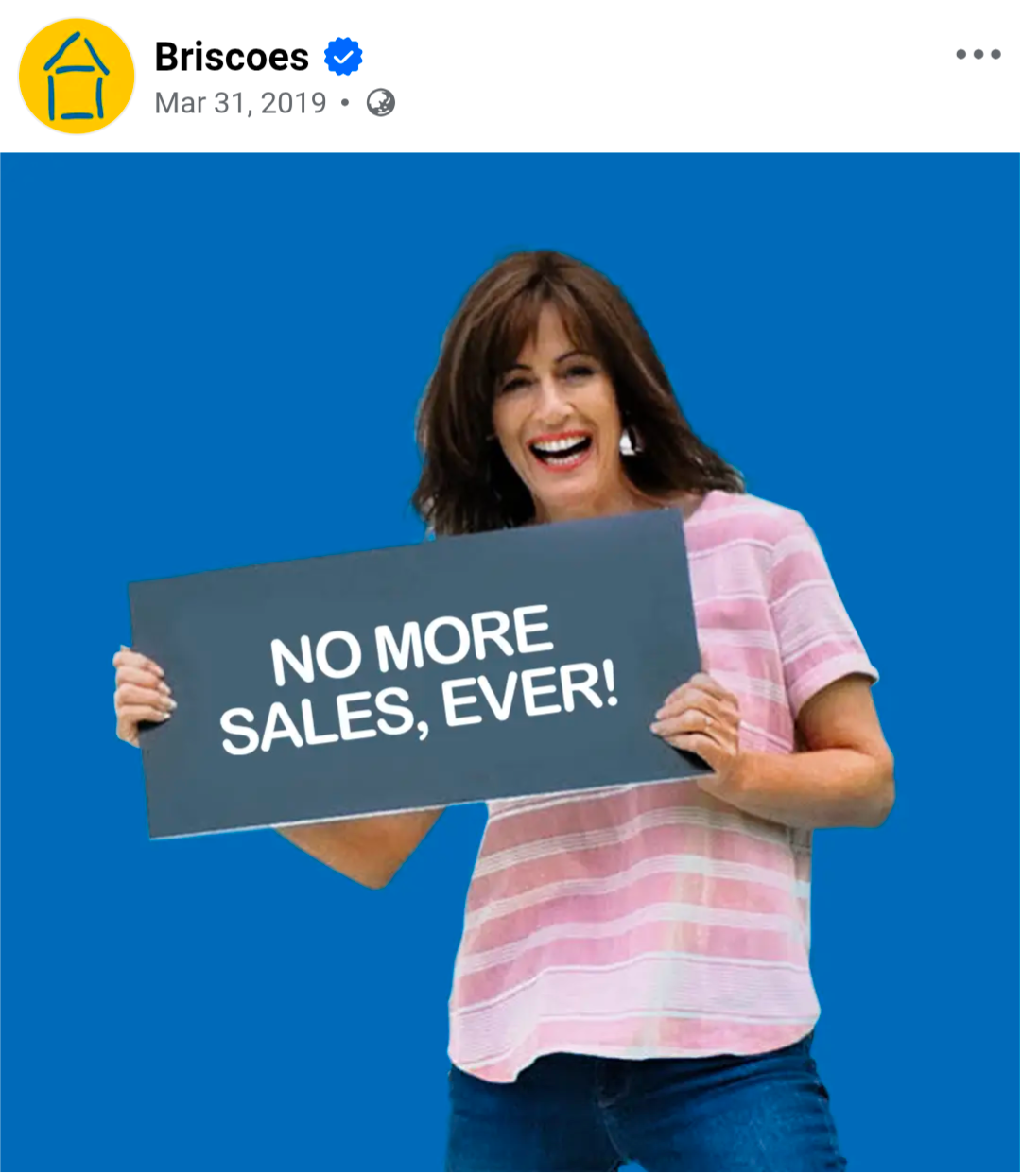
This April Fools joke only works because everybody already understands that Briscoes is associated less with specific products than with perpetual discounting.
So that brings me back to my question, if we are really consumers why are we not being sold on the things we are consuming?
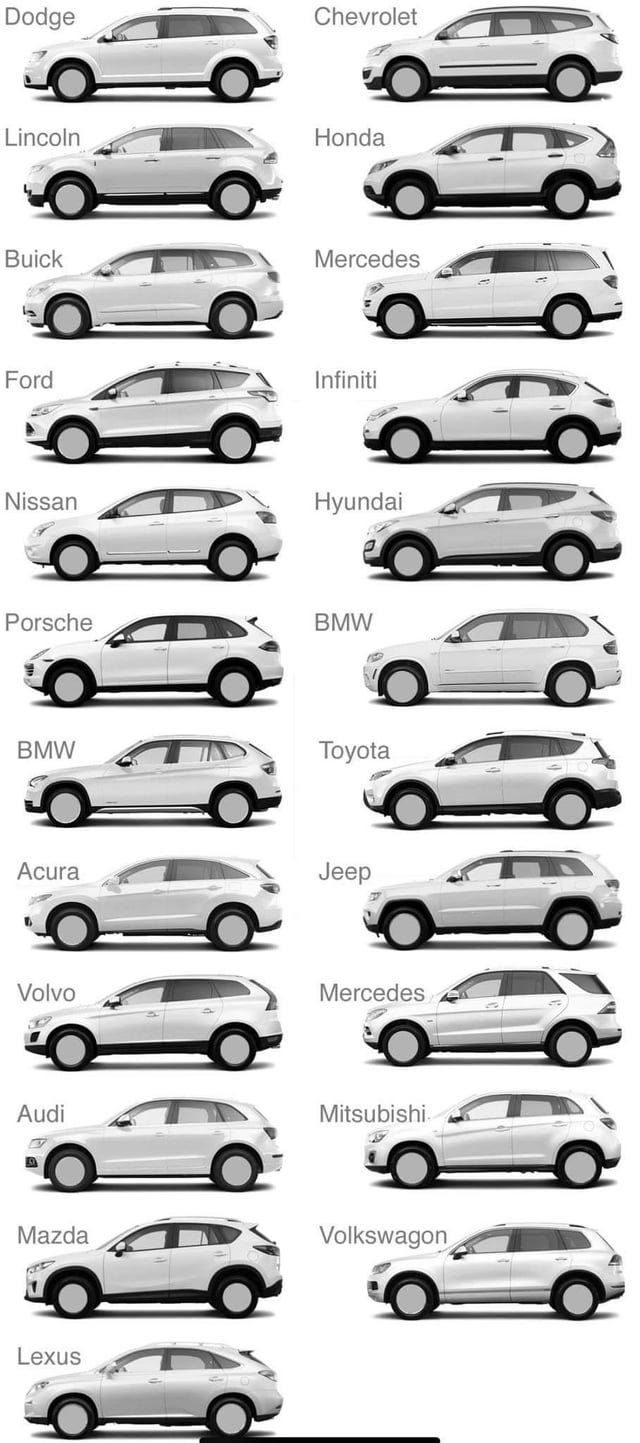
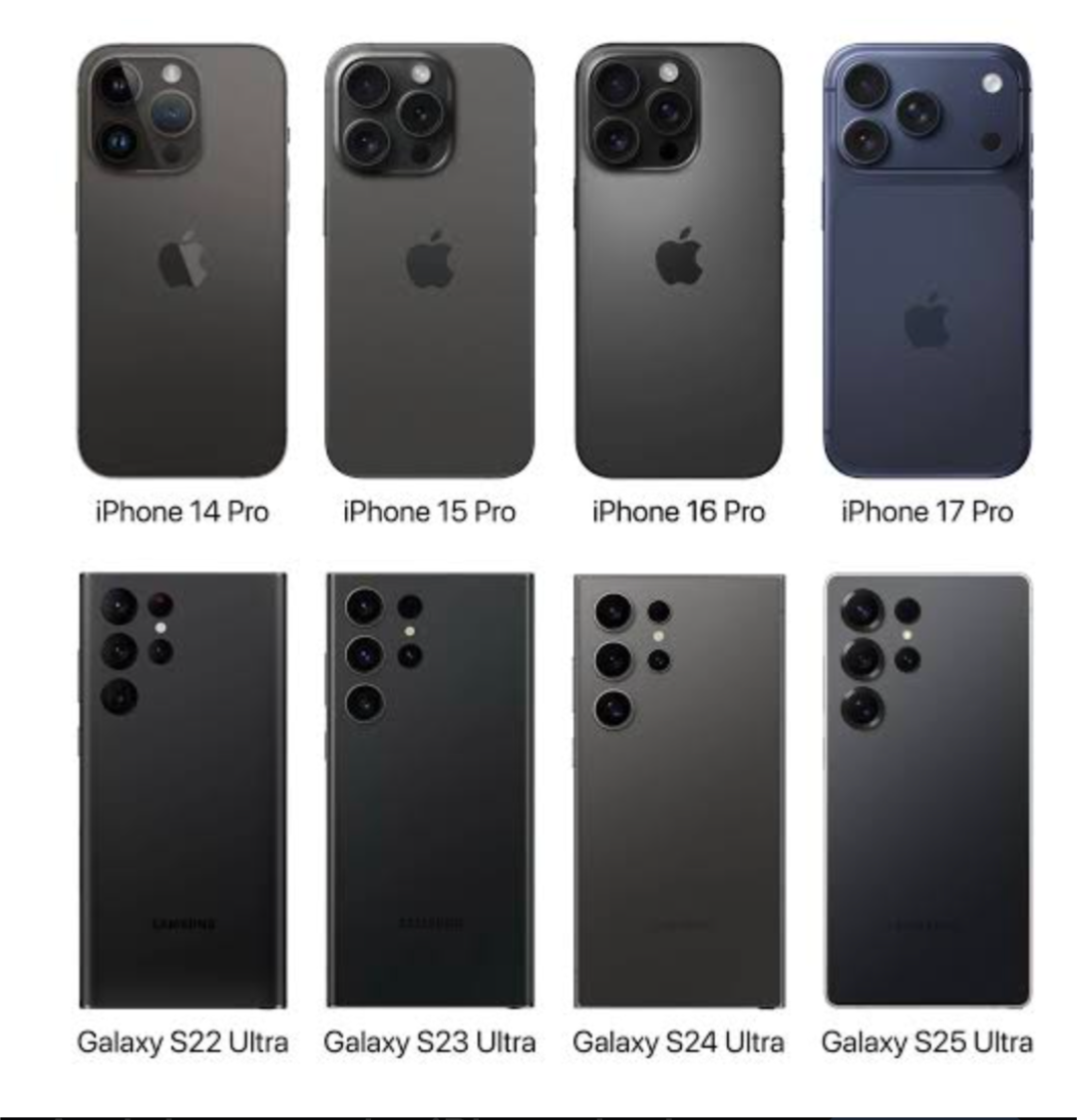
Many modern products function in much the same way to one another. One soft drink tastes similar to another, one white t-shirt performs like any other. My phone reminds me of my last phone which reminds me of my phone before that. If we were to be advertised to on pure utility, competition would increasingly collapse toward price, driving profit margins down because there would be less and less separating one commodity from another. But once again, we run into an issue. You cannot “consume” price either.
In their book The Hidden Persuaders, Vance Packard wrote:
“In a survey of male beer drinkers the men expressed a strong preference for a “nice dry beer.” When they were then asked how a beer could be dry they were stumped. Those who were able to offer any answers at all revealed widely different notions.”
A “dry” beer in technical terms is a brew that ferments out completely, leaving almost no residual sugar and a crisp, clean finish without a lingering sweet aftertaste, and yet, when asked to explain it, even regular beer drinkers gave inconsistent or uncertain accounts.
This happens because advertising can create desires that feel precise but are actually vague or inconsistent when examined closely. Ask 10 people how you can “open happiness” from opening a coke and you are bound to get 10 different answers.
Interestingly though, these “neuromarketing” techniques employed by the company to probe at our vulnerabilities to make us easier to sell to have a dialectical effect on the advertiser. They are aware that one cannot have a “dry beer” or “open happiness” in any consistent sense, and yet, while probing these unstable psychological associations, they continue speaking as though we occupy the role of consumer. They become absorbed into the same symbolic system they attempt to manipulate. Or put another way: The marketers and capitalists understand that a “dry beer” or “opening happiness” is vague and inconsistent, and yet simultaneously believe a customer can “consume” such a state. After all, that's what's being advertised to us.
As mentioned above, “dry” beer can chemically contain less residual sugar. But nobody experiences “residual sugar percentage” directly and so one has to imagine “dry” symbolically. Conversely, “Open a coke, open high fructose watered down corn syrup” doesn't quite have a ring to it.
Hours after starting this article I realised something quite unsettling. The Carlsberg ad worked. Not in the sense that it made me want to buy their beer, but that it pulled me in this state of curiosity that took my attention for hours. Curiosity is not something you can consume because it is an ongoing dynamic, sure I can satisfy my curiosity, but I cannot consume it. I on the other hand am finite. Every non-ending process such as curiosity or insecurity still uses up a bounded resource of mine: lived time.
I use the term unsettling deliberately here. If, in my moment of curiosity, I decided to buy a Carlsberg, it would have told me the things I have now or my current state is unsatisfactory to me. But, because this action by the advertisers is perpetual, the goal was never to satisfy me. But leave me unsatisfied or unsettled so I buy another.
When people think of obsolescence under capitalism they think of planned obsolescence, as in a product made to break so you come back to buy more. What they don't often consider is psychological obsolescence. Because you can't really “open happiness” from a coke, you come back to buy more, and more, and more. Not because you are a consumer, but precisely because in this dynamic you are not the consumer. The commodity, even when I don't buy it, takes my time and my labour. It consumes me, and not just me either.


Thanks for reading! If you enjoyed my article please like and share and leave a comment telling me your thoughts.
If you have any good faith critiques or disagreements I would love to hear them too!
Ngā mihi.
 | A guest post by
|
We are not customers to be served, but sources of revenue to be extracted. More and more businesses are doing away with the idea of products altogether and simply shifting to rent-seeking in the form of subscriptions for things we used to purchase outright (software being the most widespread example, just ask any digital creative their feelings towards Adobe). I'm sure you're also already aware that the same psychological methodologies employed by wartime propoganda where hastily redeployed to the consumer boom post WW2. It's no coincidence they use the same techniques. The same people were doing both.
Excellent food for thought as always Kaimataara <3
I learned recently (from someone who works in acute mental health in Aus) that they refer to ‘patients’ as “consumers”. Consumers of mental health services…. I guess it’s an attempt to centre the user, which is a good thing imo, but it really started me thinking again about the use of language, how important it is and how it is used to manipulate people. With an election coming up we’d all be wise to focus on “what does that actually mean” 😉. Good read, Ngā mihi.