We are already missing.
How the state plans our disappearance long before we become MMIW/MMIP


I have recently been playing What Remains of Edith Finch. It is a stunning game with so many intricate stories interwoven.
The Finches believe they are cursed, a curse resulting in everyone in the family dying young with only one family member surviving a generation. In the game their deaths and lives are preserved, turned into something you can walk through. You move through their grief and fear like a visitor. It is like this hypervisibility, the Finches are allowed to be “burdened” and “tragic” while remaining fully seen.
In many ways, it reminds me of white women. White women aren’t the same as the Finches (though a few are white women) but the structure is similar. Their suffering has shape. You can enter it and sit with it and it’s real. The privilege that both white women and the Finches face is not the tragedy, (systemic gendered oppression is far worse than a supposed family curse) but the visibility.
To explain what I mean, many people (especially most New Zealanders) have probably heard of Kate Sheppard, known as the suffragette who first won women the right to vote.
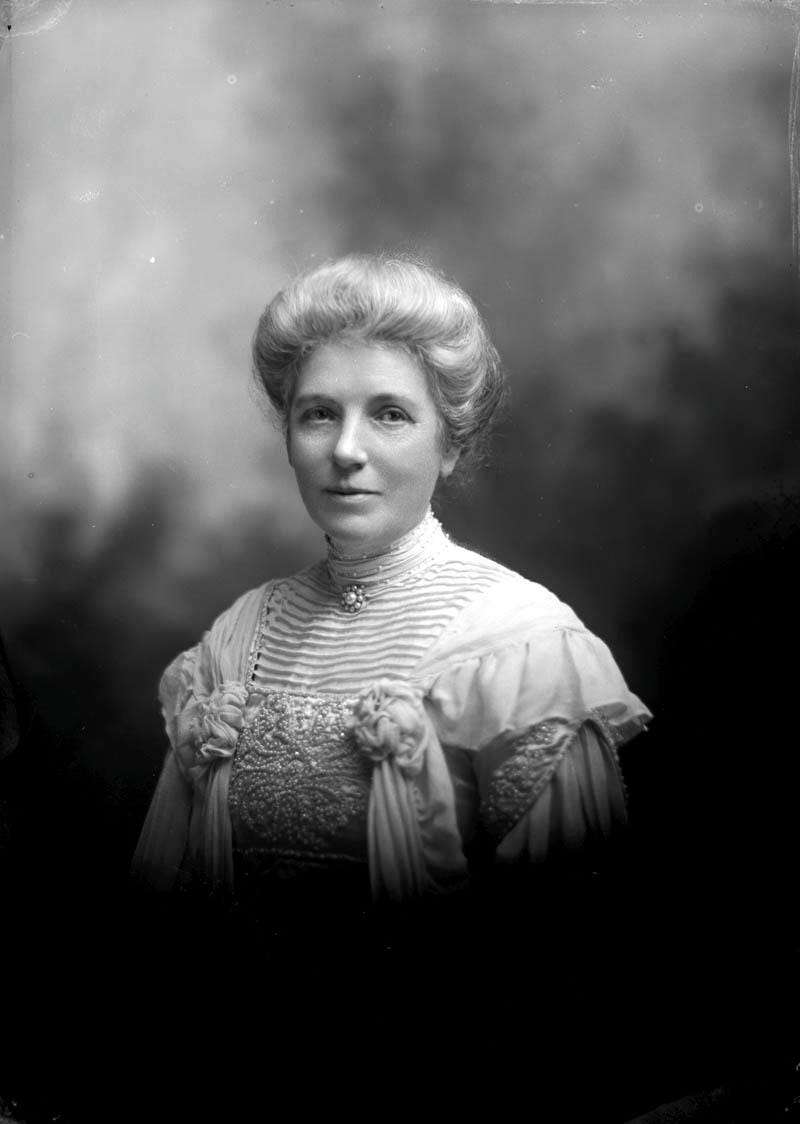
Even if you haven't heard of her, when I say the word “suffragette” your mind pictures a white woman first. Why is this? Why is Meri Mangakāhia, who not only fought for women to vote but also fought for women to be able to become parliamentarians, not well known (even among New Zealanders) despite being on the Kate Sheppard memorial?
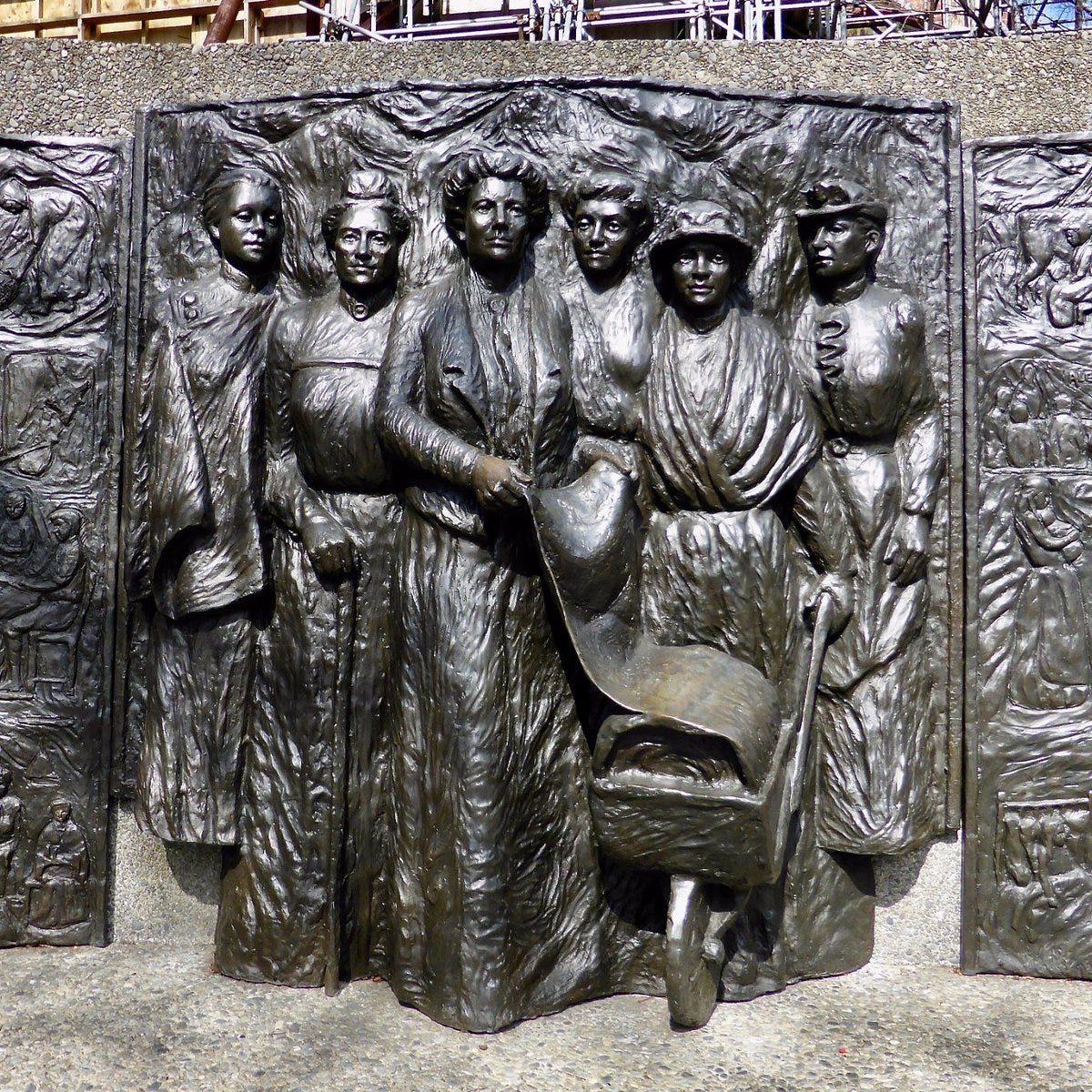
This is because of the waitstaff effect.
For those not familiar with New Zealand politics, activism and history, the story of Ely Parker may be easier to follow.
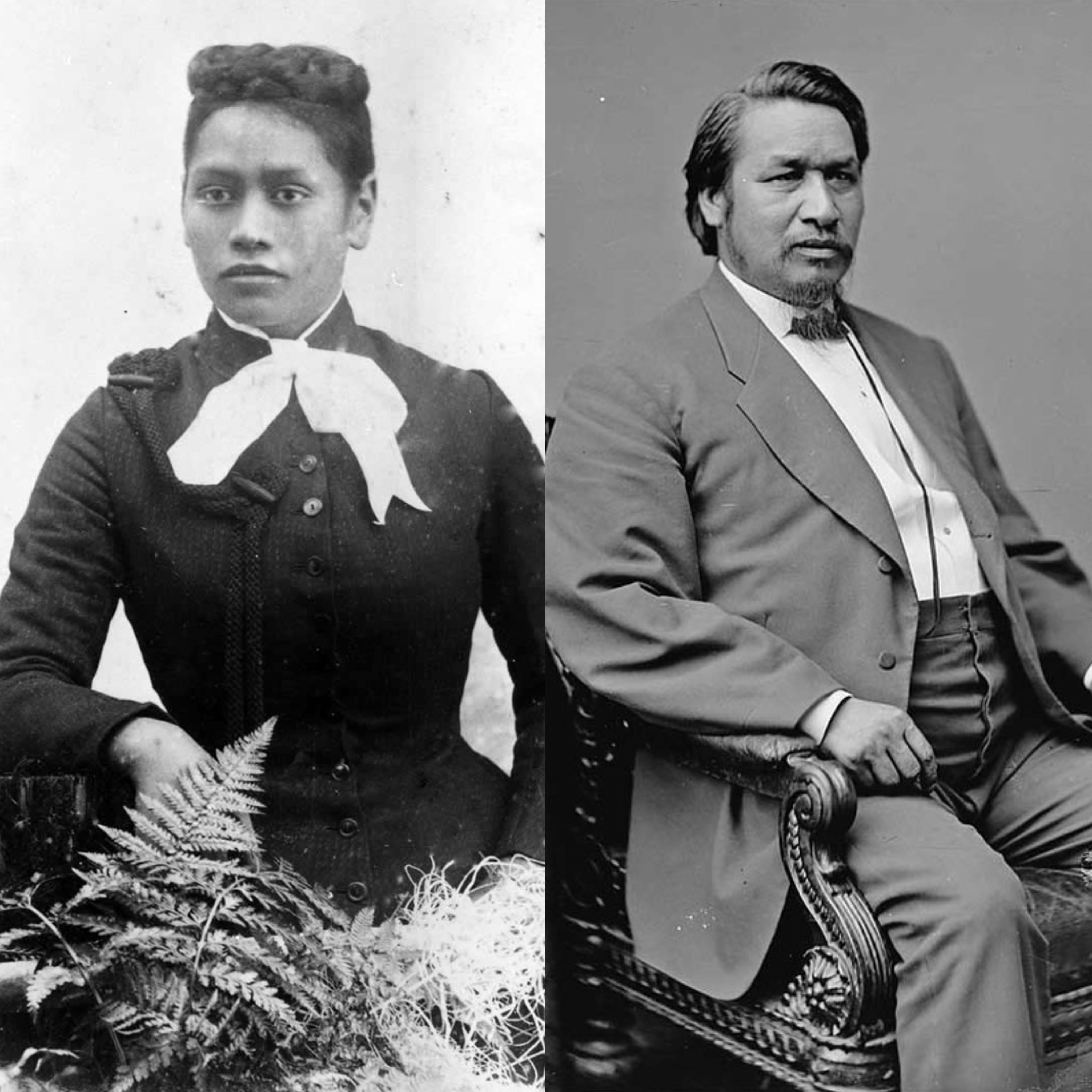
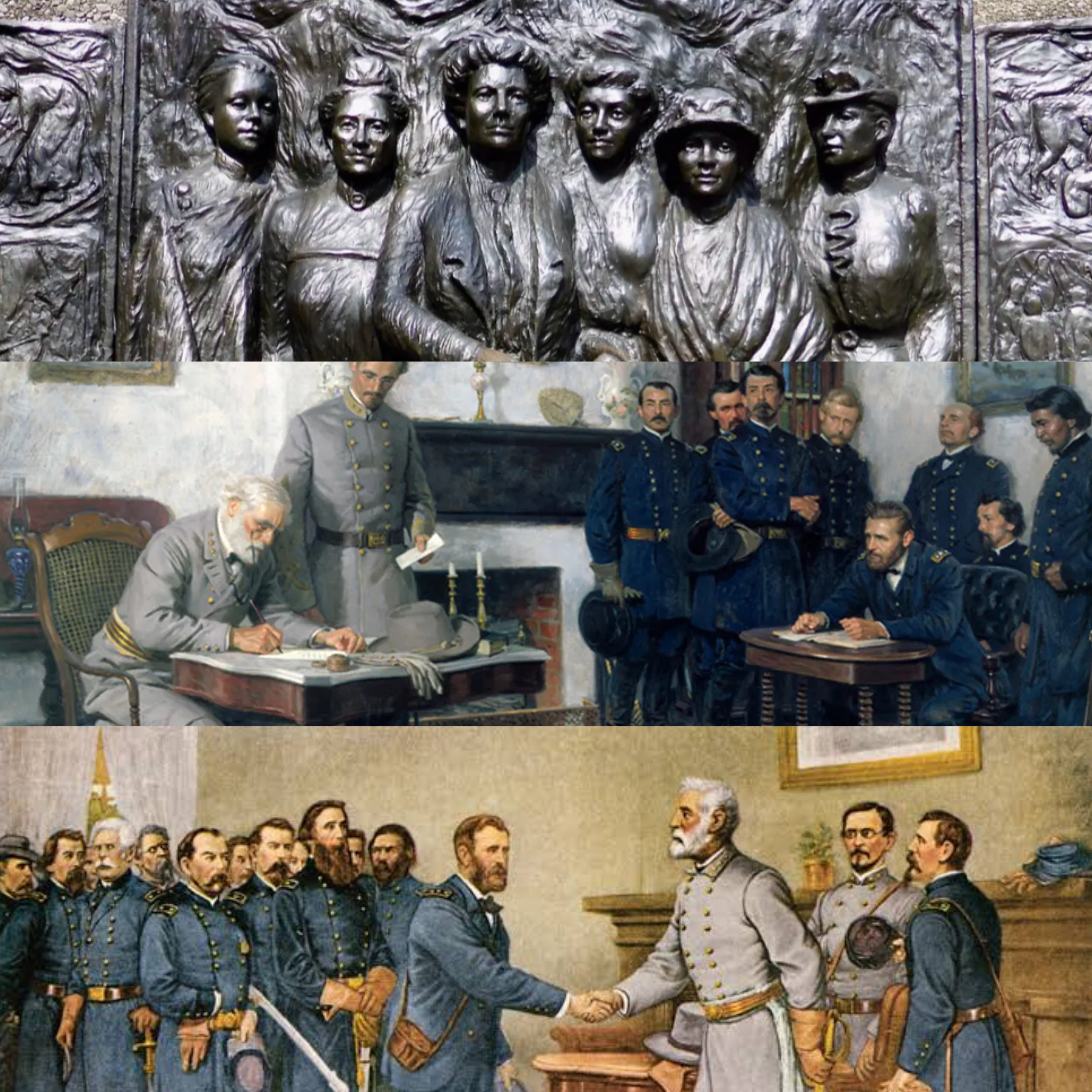
Ely Parker (born as Hasanoanda and later known as Donehogawa) was a prominent Seneca leader, was a high ranking officer in the Union during the American Civil War Lieutenant Colonel and Grant’s military secretary. Parker was crucial to the surrender of Robert E Lee as he was responsible for drafting the official ink copy of the terms of surrender that Lee signed.
Despite this, in famous paintings, Parker is often shown standing in the far corner or peering over General Grant’s shoulder. This is the waitstaff effect. You can see that he is placed in the peripheries of the art, placed behind everyone, looking off to the side or downward, almost portrayed as if he was a waiter that accidentally walked into the shot, pair that with Meri Mangakāhia on the Kate Sheppard memorial and you'll notice a theme.
Donehogawa parents were made to navigate a white-dominated society and, consequently, had him educated in English mission schools where he adopted a Western name.
This reminds me of my own Tupuna (ancestors) many of them had to adopt English or Western names, abandoning or hiding their native names they were given at birth. This is another way the state already makes us MMIP.
A common theme of this is when a white teacher with a Māori student makes them use a non Māori name for example making a student named Mariarangi to go by the name “Tess”
Because of this, it leads to authorities (if they even bother to look for us) to ask the students about when they last saw Mariarangi, or Hapeta, or Te Rangikauia. “We don't know anyone by that name” the students would probably reply, making the search that much harder.
It really makes me do a double take on the term “name suppression”.
Usually when people hear the term “name suppression” they think of someone accused of a crime, temporarily hidden from public recognition. We as Indigenous people have historically faced the same mechanism in a far more nefarious way. The end goal of legal name suppression is protection for the accused. The end goal of our name suppression was preventing our public recognition in the first place.
Worse, because we as indigenous people are often harrassed or discriminated for speaking our language or practicing our culture, the things that may identify us easier becomes fewer and fewer.
As shown earlier, despite having the “remains” of indigenous peoples, (paintings, sculptures and so on), even then we aren't really there. It’s a kind of perceptual demotion. People see us the way they see scenery, just background noise.
If someone is already culturally processed as background, then their disappearance produces less cognitive rupture. Fewer people immediately notice our absence because society was never fully oriented toward us in the first place.
If even Meri Mangakāhia and Donehogawa can be backgrounded and partially renamed out of recognisability, what happens to people with less archival presence? This is why MMIW/MMIP is so prevalent, we are all already missing long before we are murdered, kidnapped, or disappear. Erasure is the precondition for disappearance to go unnoticed. The only time we are visible is to be punished by the very system who wants to erase us. See below:
Breakfast presenter Hayley Holt cries after powerful report on police mistreatment of Māori
As much as I respect Hayley Holt and John Campbell sympathizing with us, notice how even in the title of the video, the white hosts are centred, not Julia Whaipooti and not the Māori victims.
Thanks for reading! If you enjoyed my article please like and share and leave a comment telling me your thoughts.
If you have any good faith critiques or disagreements I would love to hear them too!
Ngā mihi.
 | A guest post by
|
Thank you for this. It’s helped clarify a growing sense of unease I’d been feeling about my project. I very much wanted it to be culturally diverse and earnestly tried to go about it respectfully - sought advice on that and only went ahead with it when I had received tautoko from an elder tangata whenua. But I still made a fundamental mistake - “nothing about us without us” - and have inadvertently created a mostly pakeha space. It should have been obvious! But your article helped me see that. Even for people who don’t want to be racist, there is still a lot of learning and untangling to do.
I am curious why you picked Ely Parker? This was so strange to me like this is not the kind of figure I teach my children about in a good way as an Indigenous (to Turtle Island) parent. Rather he’s an example of us being assimilated and how we shouldn’t uphold the settler state like he did. He was a traitor Who helped the usa during the Indian wars.