Do white trans people exist?
Y'all really didn't listen to what Socko was actually saying did you?


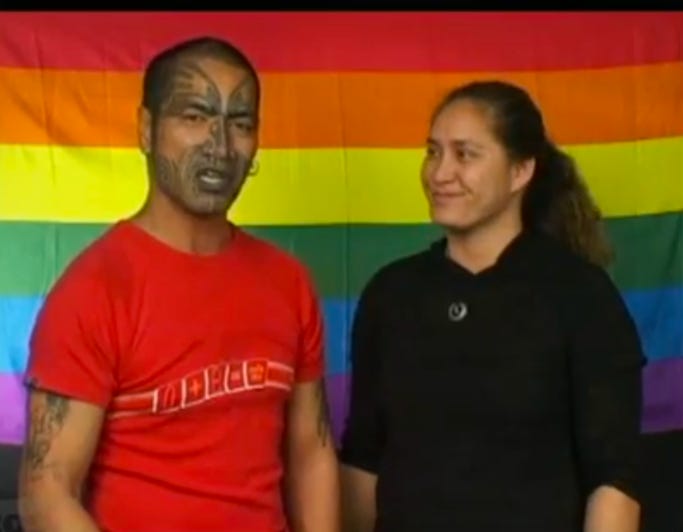
From 2004 to 2006 the world's first indigenous gay, lesbian, and transgender television series was released in Aotearoa on Māori television.
I remember Matauranga Takatāpui being my favourite parts of the episodes. This one in particular:
Takatāpui, he kupu tātai i te whakaaro, e heke mai i te wānanga te tua. E heke mai o tātau mātua tūpuna i Hawaiki-nui, i Hawaiki-roa, i Hawaiki-pāmamao.
Takatāpui is a word which conceptualizes thoughts. It originated from the ancient school of learning of our ancestors, from the great Hawaiki, the infinite Hawaiki, from the distant Hawaiki.
Takatāpui, he kura tangata, he momo. Ko tāna tū ko Hinehi, ko Hinehua, ko Hinewhakatau. Ko takatāpui Tāne, ko takatāpui Wahine, ko takatāpui taharua.
Takatāpui is another type of people who were treasured for their role as a transgender, a transexual, a drag queen, a gay male, a gay woman, a bisexual.
Takatāpui he kaumātua, he kuia, he tuakana, he tēina. E heke mai tā tāhu whakapapa o te whānau, o te hapū, o te iwi.
Takatāpui who could well be an elderly man, an elderly woman, a senior, a younger person, people who are members of an extended family, the sub-tribe and the people.
Takatāpui e heke mai i te wānanga a Mahuika, a Hine-Wairua, a Tāne, a Tangaroa.
Takatāpui is a word which is part of the astrological record of the Fire Goddess Mahuika, Goddess of Fertility, God of the Forest, God of the Ocean.
I've always found this a beautiful matauranga, it told me that our ancestors had a place for us. I am ira kore (the closest translation is agender but isn't the same thing… he mea he mea…) and it reminds me that being ira kore and irawhiti (modern Māori term for transgender) in general is connected to Hawaiki and the spark of Mahuika.
Another Substacker on here, Badly Licked Bear, brought something to mind for me after they restacked a note I posted about being ira kore. They pointed out that white queer people will use us as examples without doing any of the work to learn about our structures and how they functioned.
The more I thought about this the more I became unsettled by the realisation.
White queer people will invoke our ancestors in a misguided attempt often when in debates with transphobes to say “see, trans people have always existed”. Our ancestors are continuously summoned as expert witnesses. Not to speak to descendants, never invoked for white queer people to actually learn matauranga, but to reassure outsiders. Hostile outsiders at that.
It seems comedic but it is actually deeply horrifying that this reminds me of Socko from Bo Burnham’s How the World Works song.
People always remember the lyrics:
“Private property's inherently theft
And neoliberal fascists are destroying the left
And every politician, every cop on the street
Protects the interests of the pedophilic corporate elite”
But not the spoken parts, the parts that implicate the white person watching or listening. You might be thinking I'm referencing the “rich fucking white people” quote. I'm not. I'm talking about this part:
Bo: “Where you been, Socko?”
Socko: “I've been where I always am when you're not wearing me on your hand: in a frightening, liminal space between states of being! Not quite dead, not quite alive! It's similar to a constant state of sleep paralysis!”
And then Bo just moves on as if Socko never said anything.
The Matauranga Takatāpui told me there were contexts in which takatāpui and irawhiti people could occupy recognised social positions. Not people trapped between categories, but people located within whakapapa, whānau, hapū, and iwi.
For white people, even white queer people, we are never located, unless we are on their hands. Almost none will go out of their way to learn tikanga, or te reo. But they will certainly invoke it. But they really don't understand.
Most white queer people think the worst part is you are refused transition.
But there's something worse than that. Always transitioning.
We as irawhiti Māori are not denied transition, because denial has an endpoint. Instead we are kept in a permanent state of proving. Always a “yes if…”
Because the settlers are so keen to suppress Māori trans identity, that is the only time we are allowed to have Māori as our “real” identity. It is not to restore Māoritanga but to discipline transness. Māoritanga, in a way, is held hostage by settler transphobia.
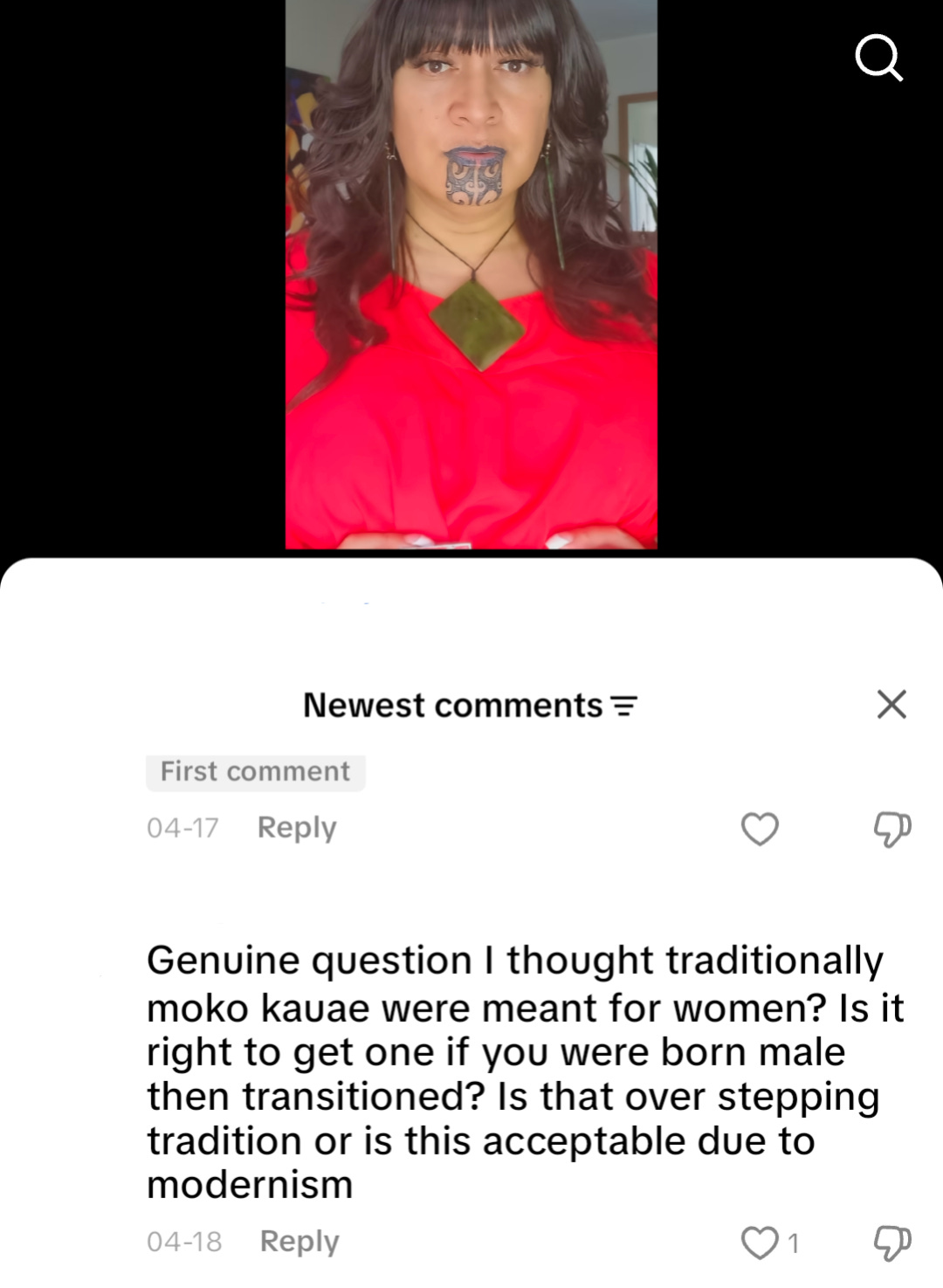
You are not allowed to wear moko
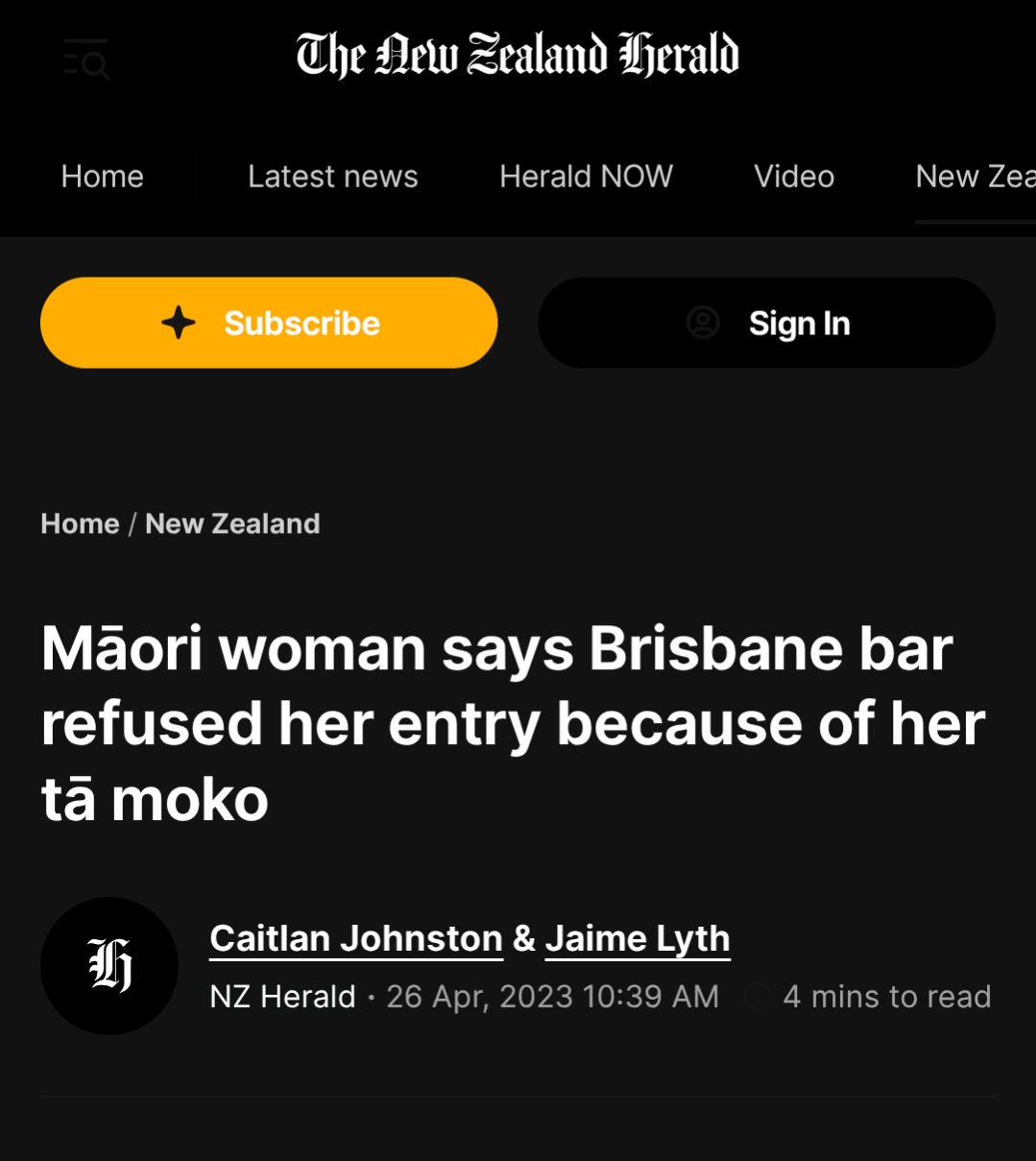
Unless it's the “wrong” moko.
You aren't allowed a Māori name
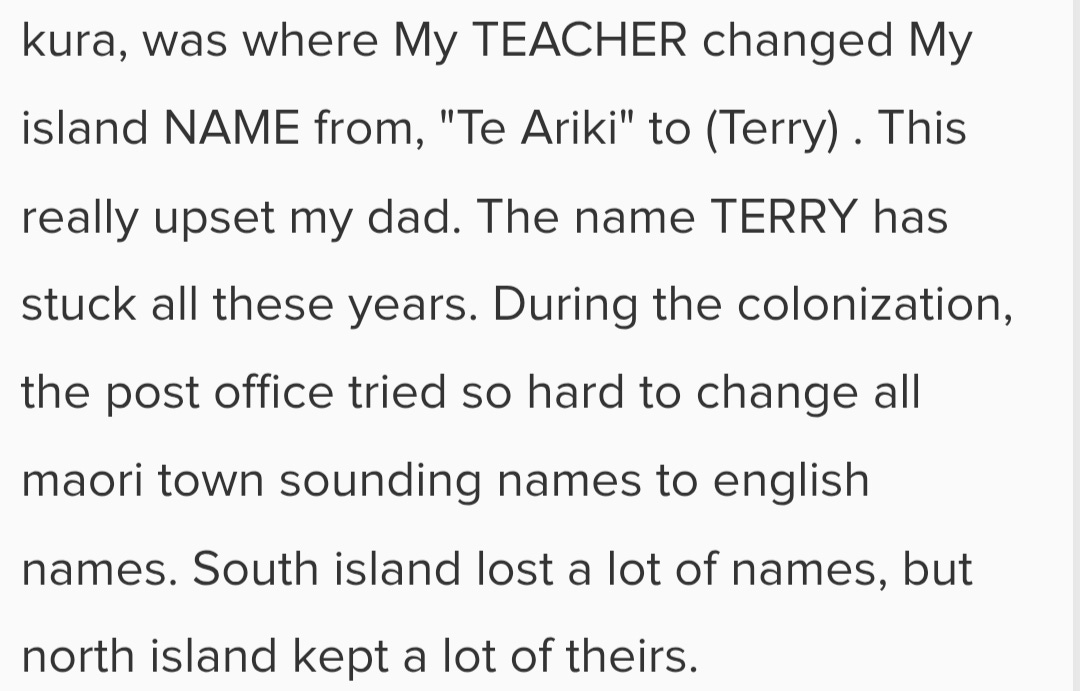
Unless your current name doesn't conform to your gender assigned at birth.
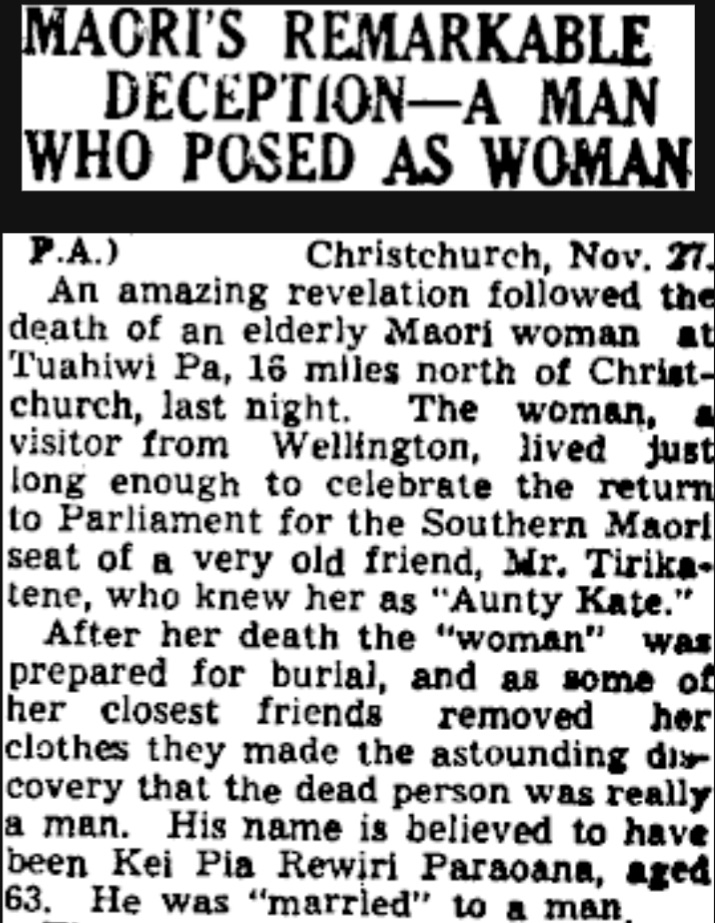
You weren't even allowed to use bathrooms
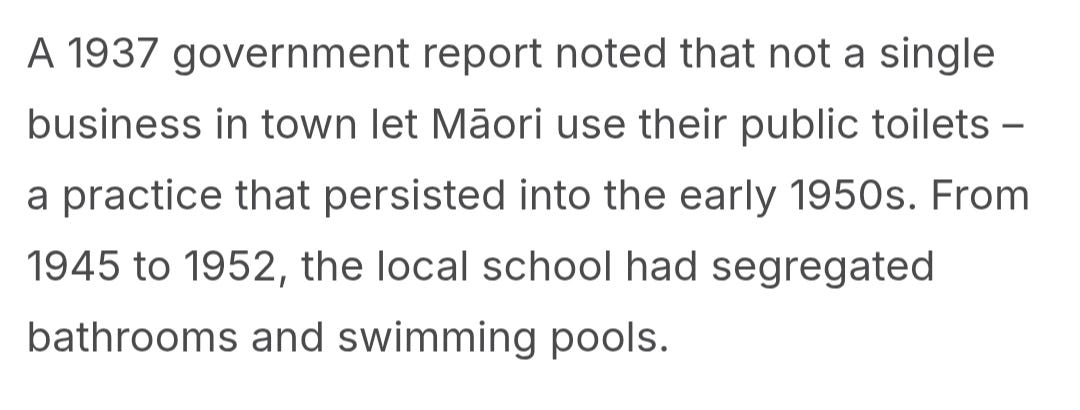
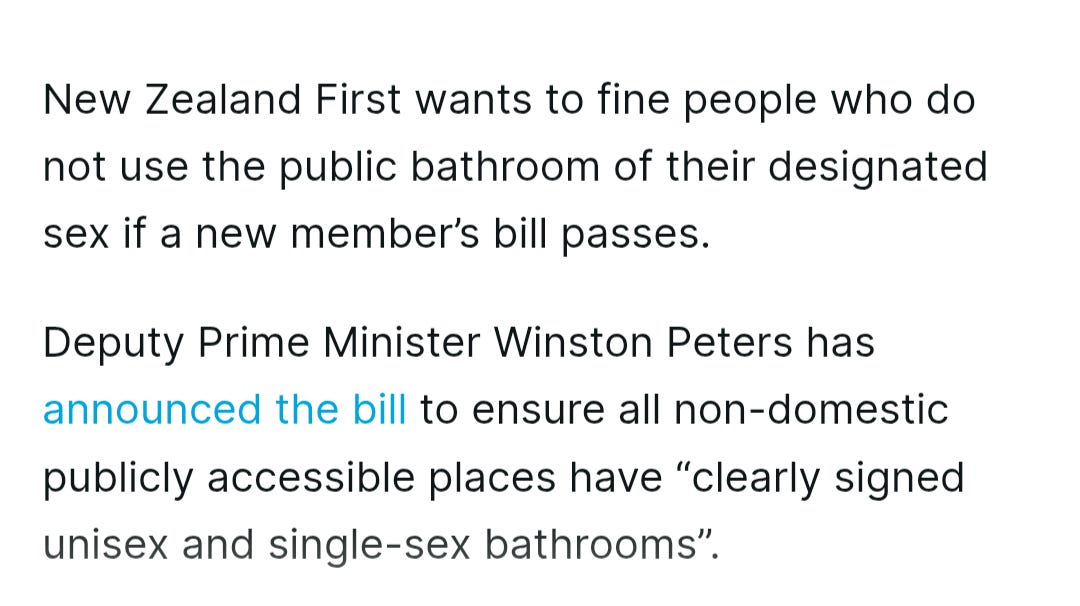
Unless it's the “wrong bathroom”
Being Māori and trans means society forces you into the liminal space between worlds. Two gorgeous palaces, but we are relegated to the impossibly long hallways with no doors. No one is meant to stay here. We never get the privilege of bearings. And we get punished for loitering.
This is made worse when even white people in the queer community gatekeep.
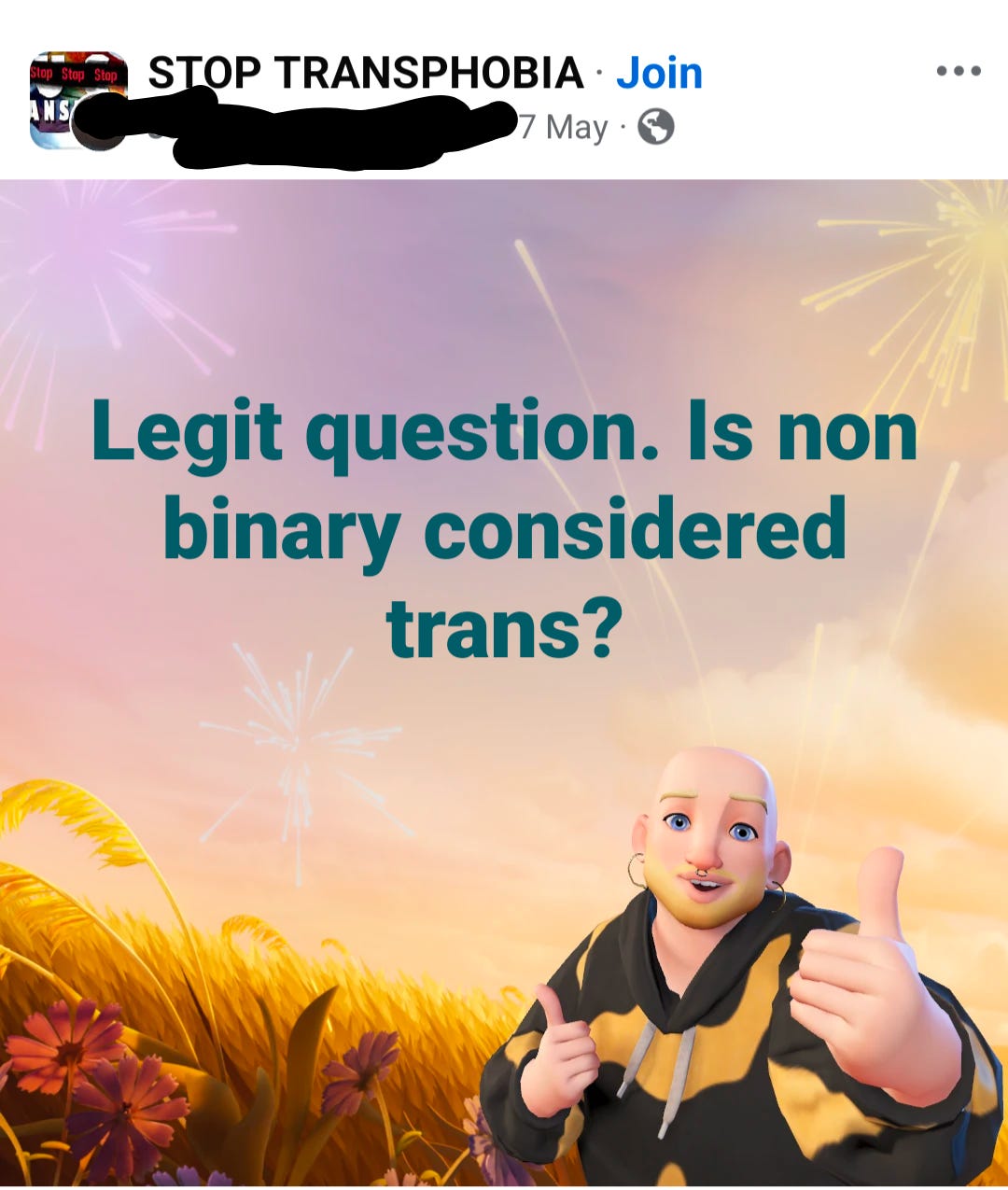
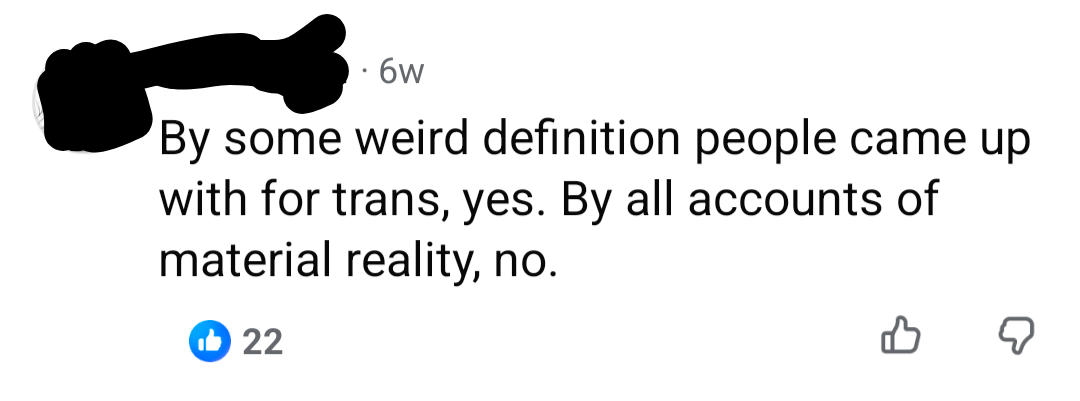
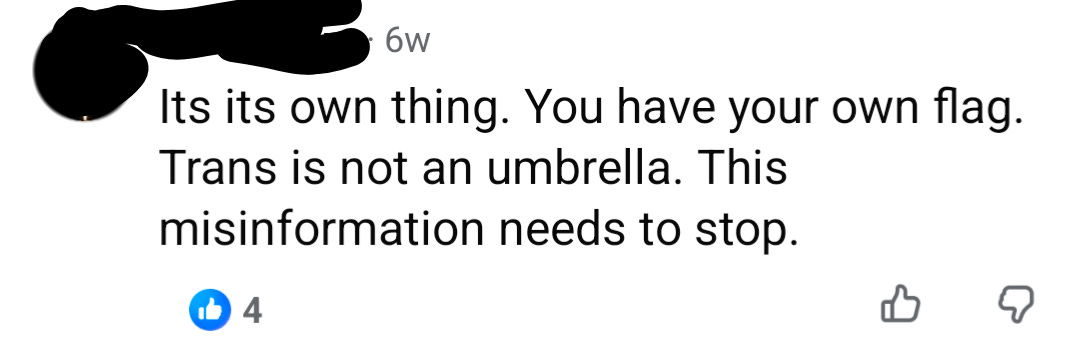
Being ira kore is sometimes met with direct questions of legitimacy from trans Pākehā (white people.) Because the closest translation in English is “agender” people think: “if it is an absence of gender there is nothing to transition to”. It becomes collateral in the “are non-binary people actually trans?” debate. If you haven't heard of that before, here are some examples from mostly white trans people from a group called “Stop Transphobia” after someone asked “Legit question. Is non binary considered trans?”
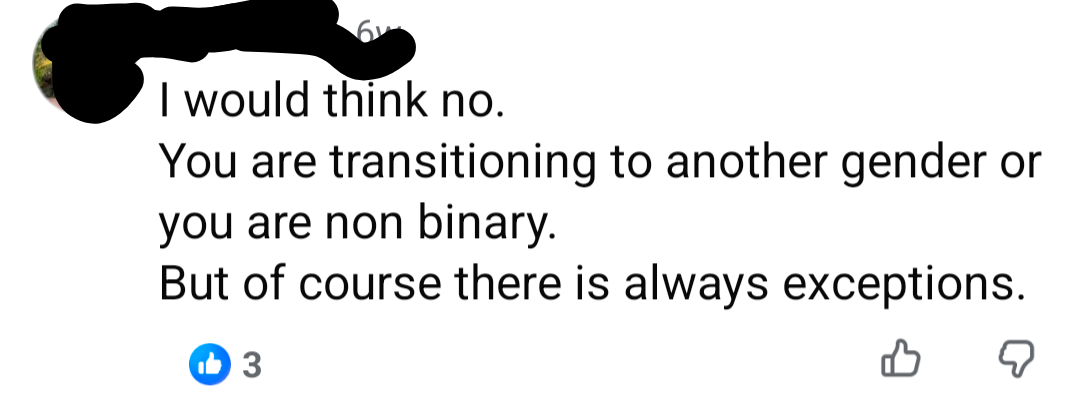
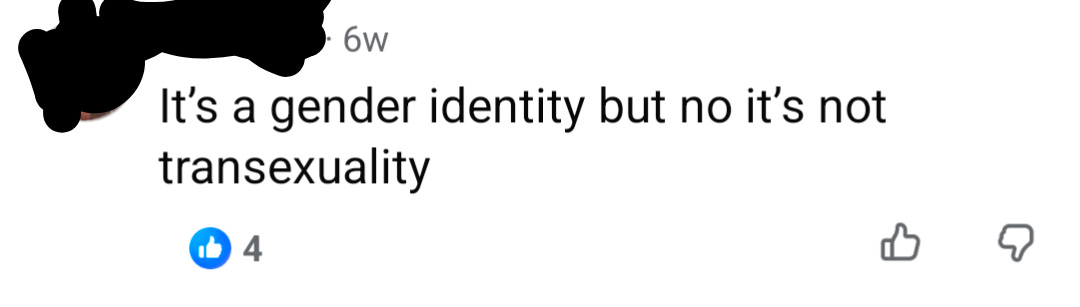
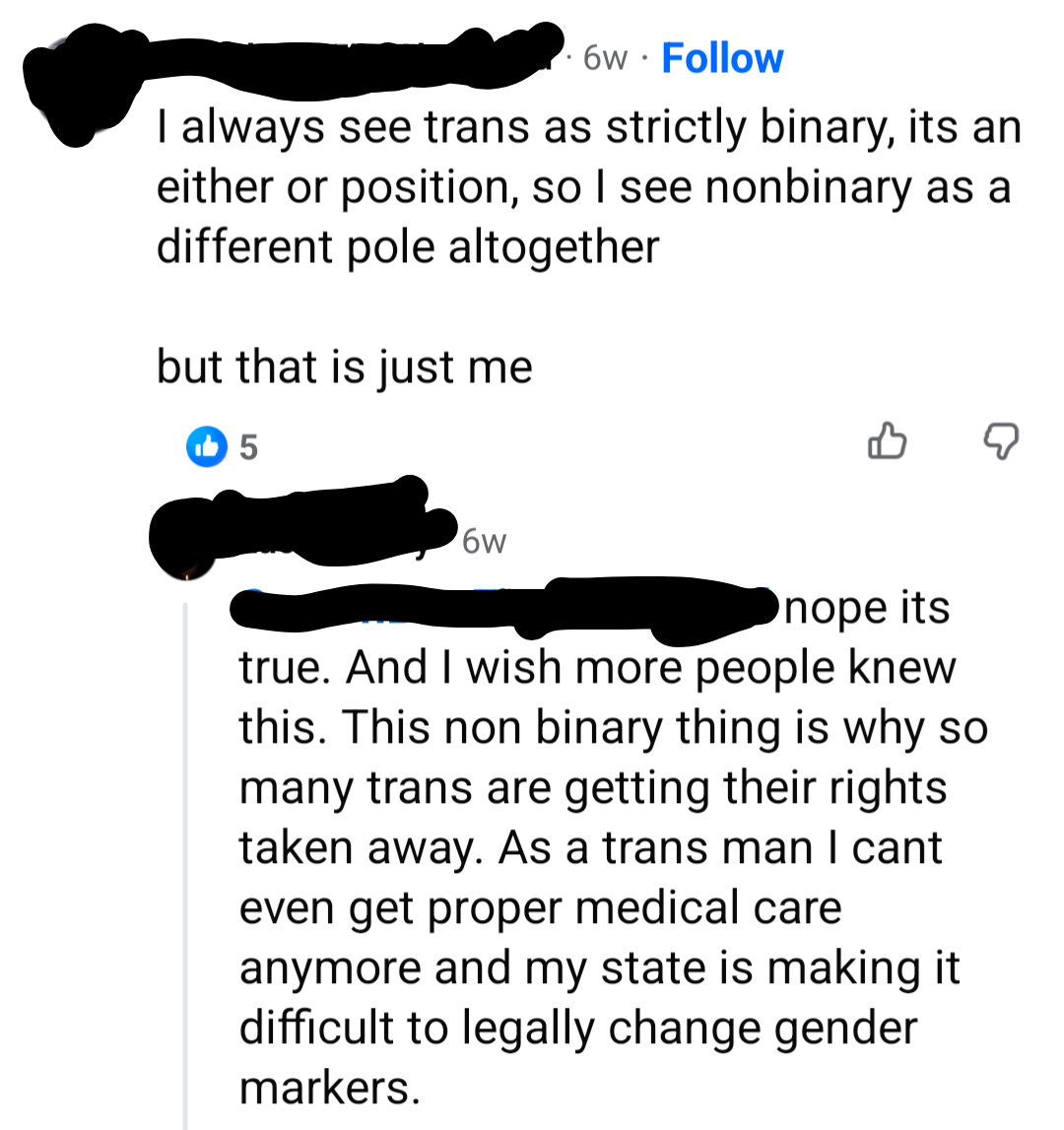
I've also been told I should avoid the pronouns “ia/tāna/tōna” because they are “too hard” to use in English sentences, or because they sound too similar to “neopronouns” which are “to be avoided” because neopronouns apparently make the queer community look “unserious”.
This dynamic warps the hallways into a maze. A hallway at least is straightforward. A maze in a way, is a series of hallways, but one where you end up circling back to the same spot over and over and over again. I can find a trans space, but I have to spend all my energy educating them on racism. I turn a corner. I educate the next person, I turn another corner. I'm always almost queer. But not quite. Turn another corner; try again.
Now, I'm not against educating people on takatāpuitanga, after all I'm writing this article and wrote a Substack note to do just that. But I am saying the labour is disproportionate. Like a volunteer that is never allowed a career. It is why I ask you to share this article far and wide, particularly if you're a white queer person or a self proclaimed ally. There is no need to continually get emotional labour from every individual Indigenous queer person when you have free articles like these to read.
Being ira kore means I am deeply connected to Te Kore, the nothingness. The beginning from where Te Pō — the long night originates from and from Te Pō comes Te Ata — the dawn.
As ira kore my gender identity does not simply mean "without gender", because like the cosmology origin, Te Kore wasn't "without" Te Pō or Te Ata, rather it gave rise to them. The void between the lungs expands the lungs. If the void was missing it would collapse.
Tuatahi ko te kore
First there was nothing
Te kore tuatahi
The first nothing
Te kore tuarua
The second nothing
Te kore nui
The nothing grows larger
Te kore roa
The nothing grows longer
Te kore para
The nothing weaves itself together
Te kore whiwhia
The nothing lost possessions of itself
Te kore rawea
The nothing rapidly flourished
Te kore te tāmaua
The nothing becomes ours
Under colonisation the nothingness no longer becomes ours. Notice how on the video Bo Burnham seems to pull Socko out of seemingly nowhere? Socko appears as if he had no existence before being animated by Bo’s hand, even nothing is considered subservient to Bo.

“Our people… once were warriors” — Beth Heke
When you are Māori “once were” becomes a perpetual state. Sure, my whanau and iwi may affirm me. But in wider society, even in Pākehā dominated trans spaces, every part of me is on trial. Always conditional or historical.
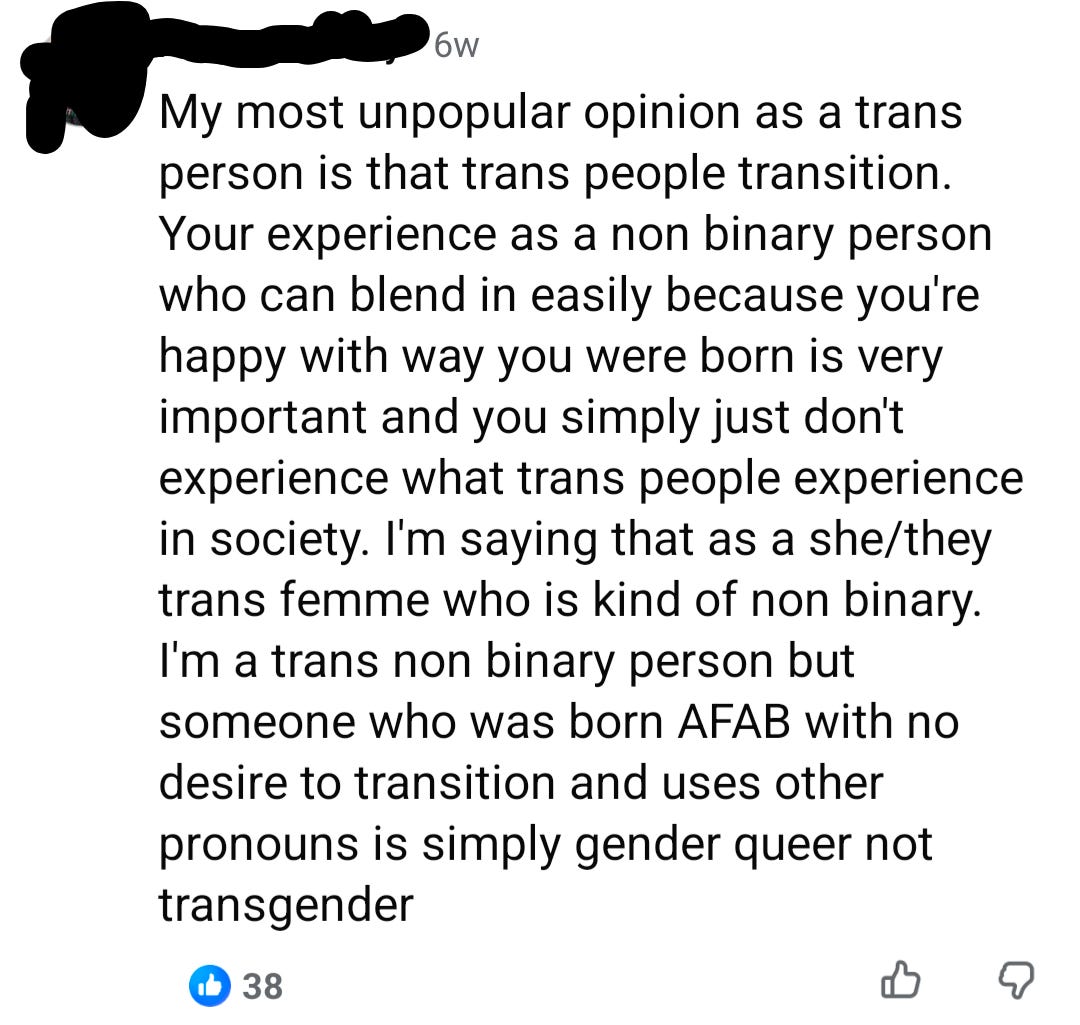
I held on to this last comment from the “Stop Transphobia” group till now. Not because it's particularly harsh, but cause it's revealing.
“Your experience as a non binary person who can blend in easily because you're happy with the way you were born is very important and you simply don't experience what trans people experience in society.”
It's revealing to me because white trans people are usually not required to transition through whiteness, they blend in far easier than even Māori non-binary people, so when people question “how can you be trans if you have nothing to transition to” I reverse it. How can white people be trans and Māori agender or ira kore people cannot? One of those identities for the former is never asked to be part of the transition, while all of the latter is. Transition is the only state we have under a colonial society. There is no privilege of “passing” for us because we are always interrogated. White trans people fear these recent transphobic bathroom laws which is completely understandable, I am frightened of it too. But for us Māori these laws didn't need to be implemented, this is our everyday existence, not just in bathrooms, but everywhere. Stores, streets, even our corpses aren't safe. We've carried the consequences of a society wide “bathroom bill” for over a century.
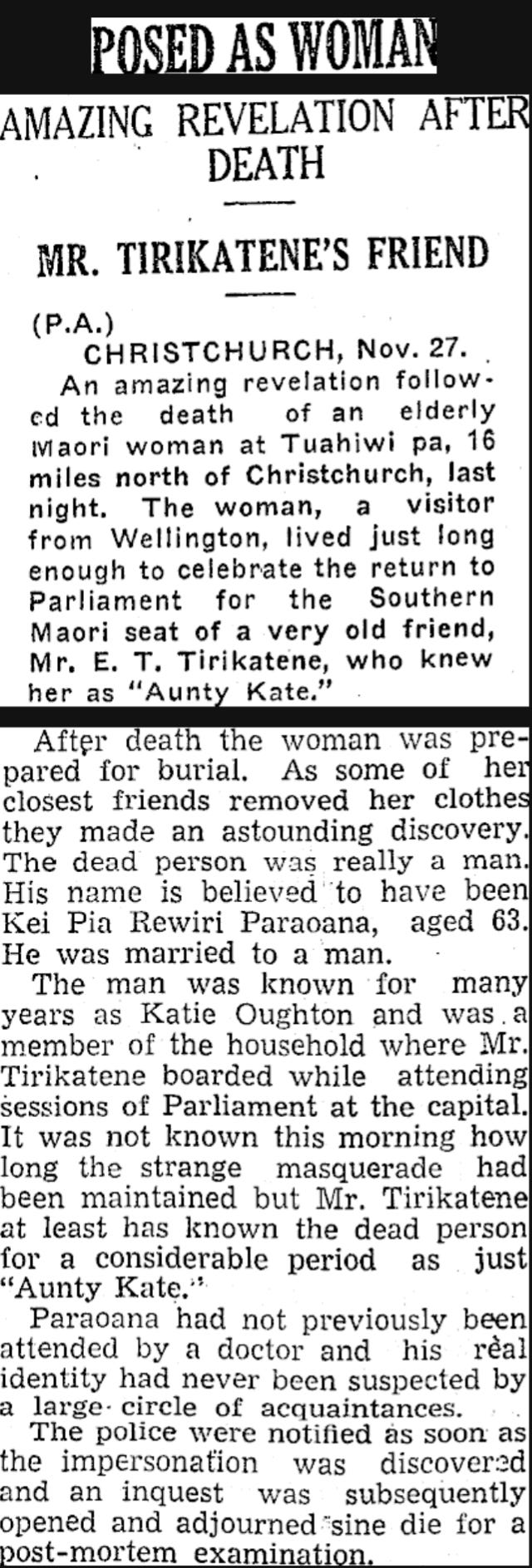
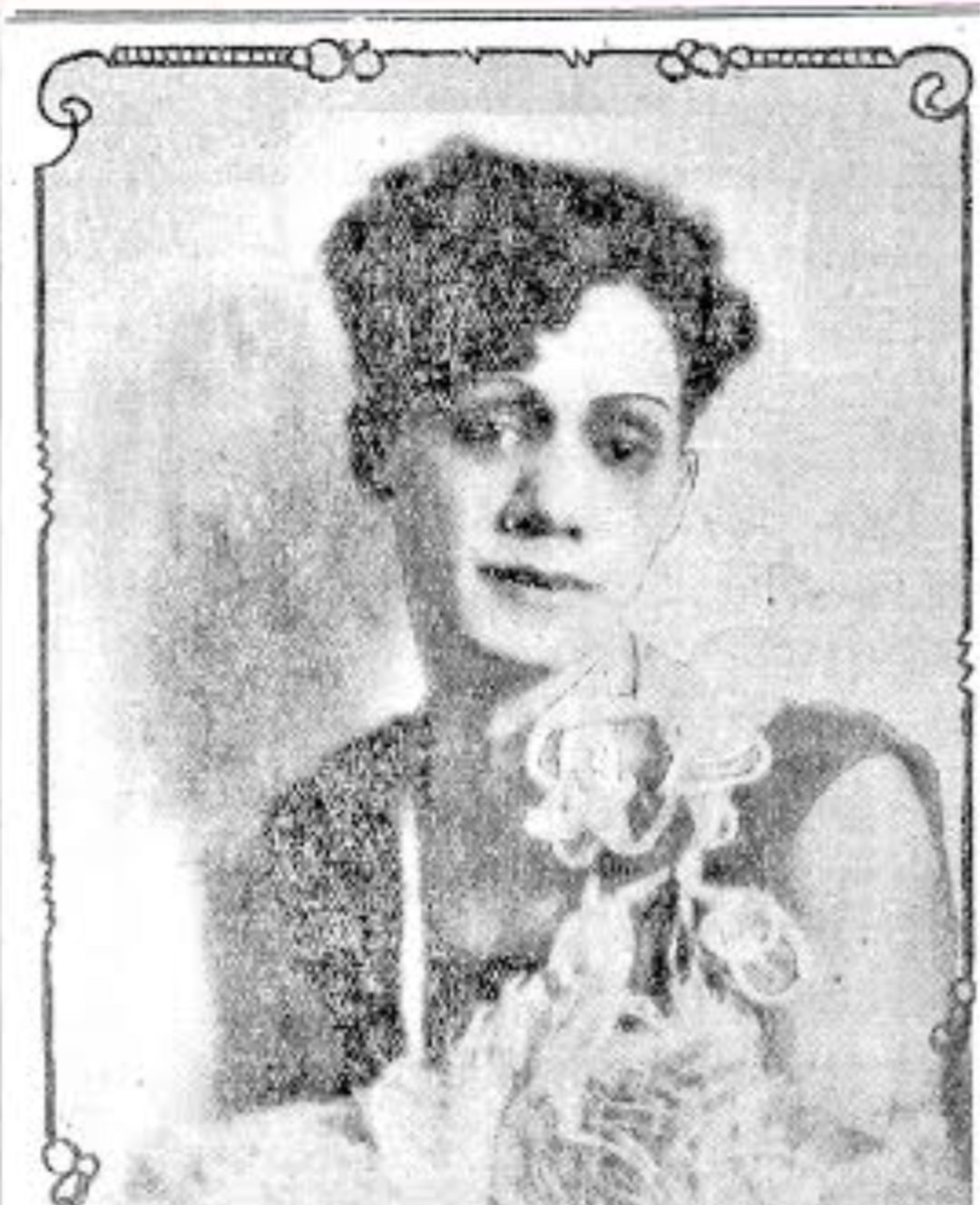
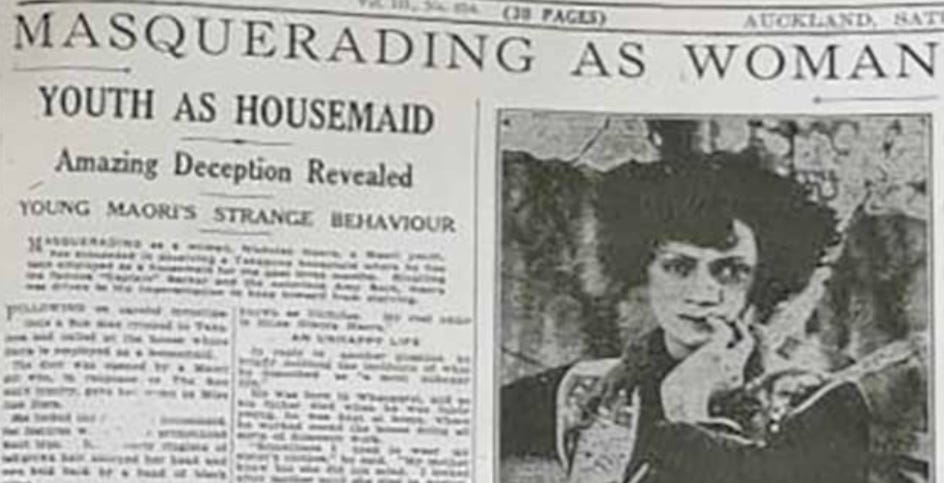
I keep showing images of Nikora Hune Haora throughout this article. If nothing else, this piece found in the New Zealand Herald referencing her is probably the clearest (though paternalistic, slightly racist and outdated) illustration of the dynamic trans Māori face:
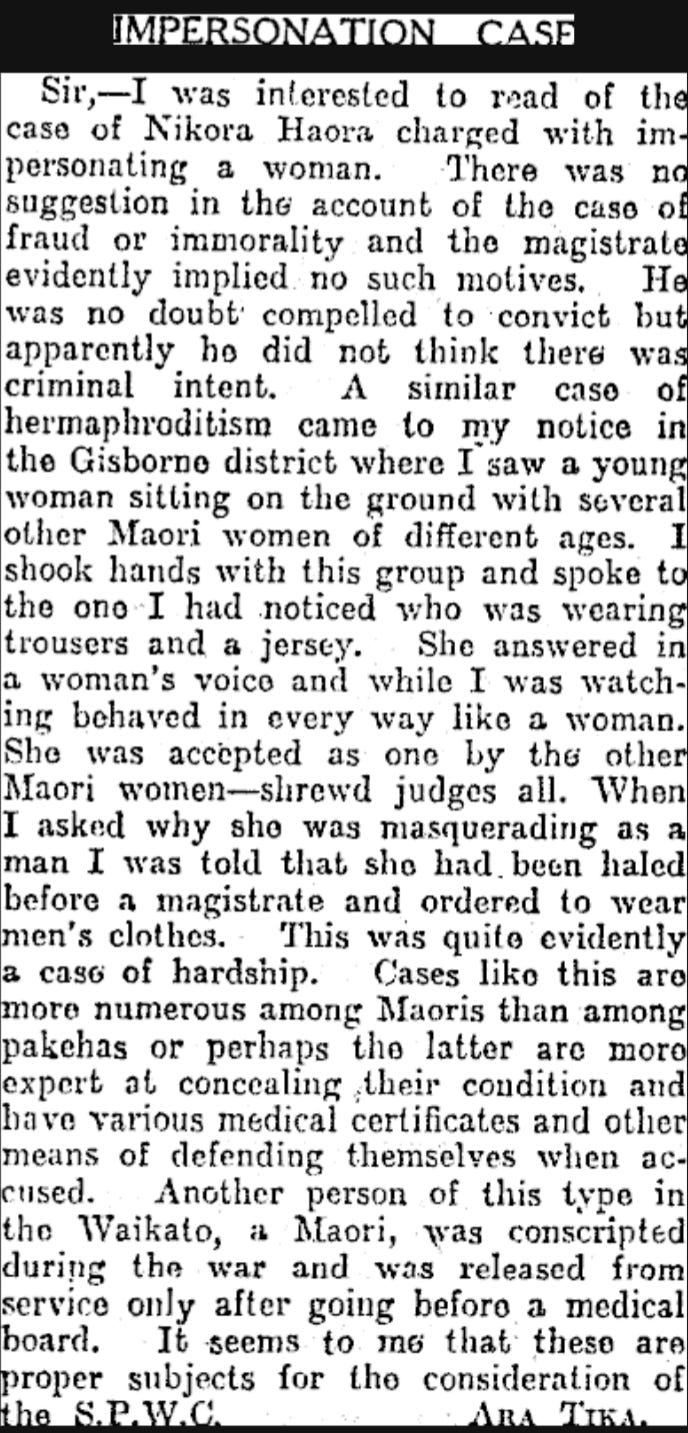
“She was accepted as one by the other Maori women—shrewd judges all.” Shows the place our people have for us.
“When I had asked why she was masquerading as a man I was told that she had been haled before a magistrate and ordered to wear mens clothes” Shows that gender nonconformity is not exceptional or modern but suppressed nonetheless, keeping us always in suspension.
But most importantly:
“Cases like this are more numerous among Maoris than among pakehas or perhaps the latter are more expert at concealing their condition”
Being trans is not a “condition” but nonetheless, it's not that white people are better at “hiding it.” It's that whiteness is not required to be hidden. Think about how we Māori get racially profiled in stores, always getting our bags checked. Your gender is questioned less when you're stopped less. White people hide their purses whenever we walk past. While we are made to open ours when we go anywhere. A white person hiding their purse isn't considered strange, a Māori person hiding their purse is.
A trans person who happens to be white is trans of course, it would be absurd to claim otherwise. Rather, your whiteness never becomes part of the transition. Whiteness is not rendered transitional, it is rendered default, so white trans people are never kept suspended. They are often made to pick a side, affirming or rejecting, this is not harmless, white trans people still suffer, but only because they are trans, not because they are white. Whereas for us, all our sides are “wrong”. To settler society irawhiti Māori can only be trans. Not trans masc, fem, etc, just trans. And if you have seen how ethnic minorities are disproportionately targeted by so called “transvestigation” you see that cis Māori are not safe either. Trans Māori exist no longer within a settled social position like the times of our ancestors. White trans people do. We can never conclude. Not until the queer community actually starts to decolonise.
Thanks heaps to Cryn Johannsen for suggesting this topic! Sorry if it became more ranty than my original post on being ira kore but it's just something I had to get off my chest. And thank you to my friend Mereana for reviewing this article before publishing!
Thanks for reading! If you enjoyed my article please like and share and leave a comment telling me your thoughts.
If you have any good faith critiques or disagreements I would love to hear them too!
Ngā mihi.
 | A guest post by
|
I wonder what it would be like if we just accepted people as they were? Actually - all life as it is. What if we didn’t try to squeeze people into our own particular boxes, the wild world into our plaything.
What if curiosity was the first response rather than fear?
We learn these things from our parents and the society they belong to. Our innate curiosity is replaced by the norms handed down to us.
The fear is a crisis of control by those who seek to control all. To allot acceptance or rejection. The idea that people might be allowed to be just who they feel themselves to be is anathema.
I am so tired of this centuries-long attempt of the few to control the many.
Over where I am on Turtle Island, our third gender is more close to what english calls fluid, and our 2 spirit people have the same issues you are describing. As do our cis people (including kids).